The SilkMonde Guide to Bedding
Oxford or Housewife? A Guide to Gingerlily Silk Pillowcase Styles
A pillowcase can be a quiet detail or a defining line in the bedroom. In Gingerlily silk bedding, the choice between an Oxford and a Housewife style comes down to shape: one frames the pillow with a decorative border, while the other keeps the silhouette pared back. Both can offer the smooth feel of silk and the practicality of an envelope closure. Here is how to choose the profile that suits your bed, your taste and your routine.
Why pillowcase style matters
A pillowcase does more than cover a pillow. It is one of the most visible pieces of a made bed, and often the closest textile to the face and hair. Its edge treatment affects the way a pillow sits against a headboard, how it layers with a duvet and whether the overall impression feels tailored, decorative or deliberately minimal.
With silk, the choice carries an additional tactile dimension. A silk pillowcase has a smooth surface and fluid drape, qualities that make small construction details especially noticeable. The gentle sheen catches light along a seam or border; a neat envelope closure keeps the pillow contained without adding a row of buttons. The result can be understated or expressive, depending on the silhouette.
Gingerlily examples include Housewife pillowcases with a clean, simple edge and Oxford versions finished with a border—often around seven centimetres wide. Both styles may use an envelope closure, so the distinction is not necessarily about how the pillow is fastened. It is primarily about the visible frame around its perimeter.
The Housewife pillowcase: a clean, close finish
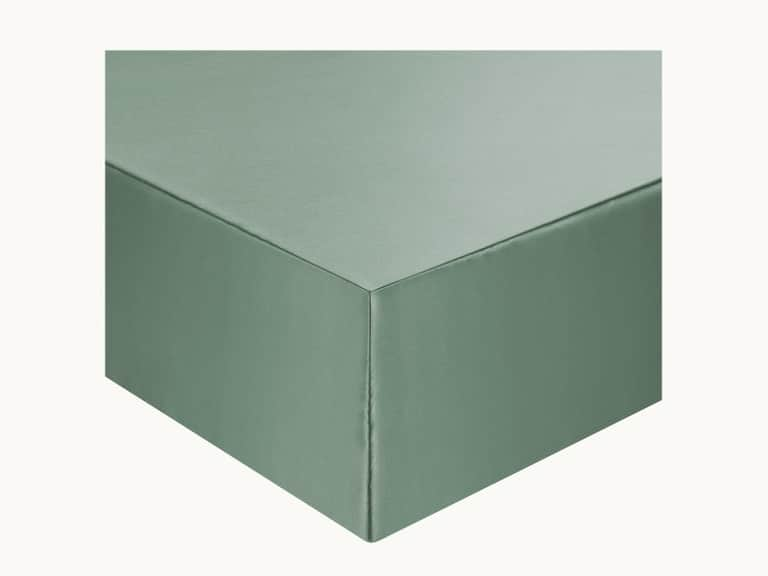
The Housewife style is defined by its straightforward outline. The fabric meets the pillow with little or no additional decorative border, creating a compact shape that reads as neat and unfussy. Its appeal lies in restraint: the colour, silk surface and proportions of the bed can take focus without a pronounced frame around each pillow.
That simplicity makes a Housewife pillowcase adaptable. It can sit comfortably in a spare, modern bedroom, but it is equally at home in a more layered arrangement where patterned cushions, a contrasting duvet cover or a quilted coverlet provide the detail. When several pillows are dressed alike, the uninterrupted edges can make the bed feel calm and cohesive rather than busy.
Housewife does not mean plain in every respect. A pillowcase can still have a considered colour, a contrasting fabric or a particular finish while retaining the clean-edged silhouette. In a silk collection, the material itself brings lustre and softness; a minimal edge lets those qualities remain the main event.
This style may also suit sleepers who prefer a close, uncomplicated appearance. There is no broad border extending beyond the pillow’s outline, so the case can look compact on the bed. As with any pillowcase, the final fit depends on matching the case dimensions to the pillow. A well-sized case should contain the pillow without excess fabric bunching at the end or pulling tightly across its surface.
The Oxford pillowcase: a frame with presence
An Oxford pillowcase adds a border around the central pillow area. This flat frame extends the visual footprint of the pillow and gives the bed a more finished, decorative outline. On Gingerlily styles, an Oxford border may measure approximately seven centimetres, creating definition without overwhelming the silk’s natural drape.
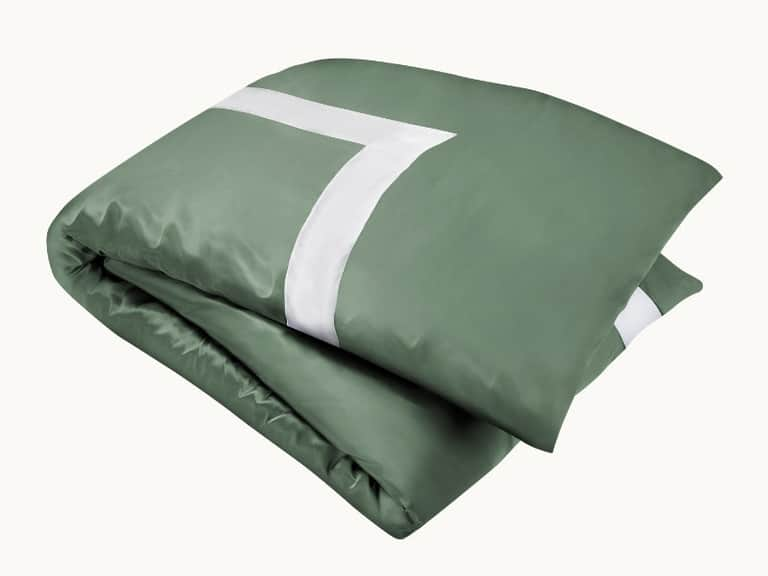
The border can act like a subtle frame around a piece of textile. In a single-colour arrangement, it introduces structure and a little architectural clarity. If the border contrasts with the main fabric, the effect becomes more graphic: a pale edge against deep green, for example, can echo the line of a duvet cover or pick up another tone in the room. An Oxford design can therefore contribute to the room’s palette even when the rest of the bedding is kept quiet.
Oxford cases are often chosen for their more dressed appearance. They can make pillows feel like a deliberate part of the styling rather than a purely functional layer. The border is especially effective when pillows are arranged in a row against a headboard, where the edges remain visible and contribute to the bed’s overall composition.
That extra frame is a matter of taste rather than a measure of quality or comfort. The border does not by itself indicate that a pillowcase is more protective, more durable or more suitable for a particular sleeping position. It changes the look and proportions of the case. Choosing Oxford is a way to add a defined outline; choosing Housewife is a way to keep that outline discreet.
Oxford versus Housewife at a glance
| Detail | Housewife | Oxford |
|---|---|---|
| Overall profile | Simple, close-edged and compact | Framed by a visible fabric border |
| Visual effect | Quiet and streamlined | More tailored and decorative |
| Best suited to | Minimal styling or richly layered beds | Arrangements where the pillow edge is part of the design |
| Closure | May use an envelope closure | May also use an envelope closure |
| Key practical consideration | Check that the case fits the pillow | Check both pillow fit and the border’s dimensions |
The table is a guide to silhouette, not a universal specification. Details such as border width, fabric weight and care instructions can vary between individual pillowcases. Before choosing, check the information for the exact style and size you are considering.
Envelope closures: discreet by design
Many Gingerlily silk pillowcases use an envelope closure. Rather than fastening the open end with buttons, the fabric overlaps to form a pocket that holds the pillow inside. The opening is tucked away, leaving a smooth, uncomplicated finish and reducing the need for added hardware at the edge.
An envelope closure can help keep a pillow neatly contained during ordinary use, though a good fit still matters. Insert the pillow fully, smooth the fabric, then fold the inner flap over it as intended. If the pillow is substantially larger than the case, the closure may strain or the fabric may pull. If it is too small, excess fabric may shift and wrinkle. Matching the case to the pillow’s dimensions is the simplest way to maintain a tidy appearance.
Because both Oxford and Housewife styles can use an envelope closure, the closure does not determine which silhouette you have. The border does. This distinction is useful when comparing product descriptions: “Oxford” refers to the framed edge, while “envelope” describes how the opening is finished.
Choosing a style for your bed
Begin with the mood you want the bed to convey. A Housewife pillowcase is an easy choice if you favour clean lines, a quiet palette and a compact profile. It can also be a useful counterpoint to decorative bedding: when a duvet cover has a print, contrast border or strong colour, a simple pillow edge helps balance the arrangement.
An Oxford pillowcase may be the more natural choice when you want the pillows to have greater presence. The border can bring definition to a plain silk set and help coordinate the pillow area with a framed duvet cover. It can also lend a composed, hotel-like quality to a bed when pillows are arranged symmetrically—although the effect can be just as appealing in a relaxed, personal scheme.
Think about the room’s proportions as well. On a smaller bed, a wide border may create a more noticeable frame, while a simple edge keeps the arrangement visually light. On a larger bed, Oxford borders can help the pillows hold their own against generous sheets and duvet covers. Neither rule is absolute: colour, pattern, lighting and the number of pillows all influence the final impression.
Colour is another part of the decision. A Housewife case in a tonal shade can blend quietly into the bedding. An Oxford case can make a contrast more legible by giving it a defined edge. If you are mixing colours, repeat one shade elsewhere in the room—a sheet, throw or duvet border—to make the combination feel intentional rather than incidental.
Finally, consider how you make the bed. If you prefer a pared-back routine, a simple silhouette may suit your habits. If you enjoy arranging pillows as part of the room’s styling, the Oxford border offers another line to work with. The best choice is the one that feels natural in your space and remains appealing after the novelty of a new set has passed.
Silk, feel and everyday use
Mulberry silk is valued for its smooth hand and subtle lustre. A silk pillowcase places that texture directly beneath the head, creating a notably different feel from many more textured bedding fabrics. The fabric’s low-friction surface is one reason silk pillowcases are often chosen by people who want a gentler-feeling surface for hair and skin. Individual experiences vary, and a pillowcase should not be treated as a medical or cosmetic treatment.
Silk is also a natural protein fibre, and its feel is influenced by more than the fibre name alone. Weave, fabric weight, finishing and construction all matter. Gingerlily examples described in the product information include 100% mulberry silk pillowcases in 19 momme. Momme is a unit used to describe silk fabric weight; it can help distinguish the substance of one fabric from another, but it does not replace a close look at construction, care directions or personal preference.
Comfort depends on the full sleep setup: pillow fill, room temperature, bedding layers and individual sensitivity. A silk case can be paired with cotton sheets, silk sheets or other textiles according to the feel and level of warmth you prefer. The Oxford or Housewife shape, meanwhile, remains a styling decision rather than a different type of silk.
Caring for a silk pillowcase
Delicate care helps preserve silk’s surface and sheen. Follow the label or product-specific instructions first, because wash recommendations can differ. For Gingerlily silk pillowcases described in the available care information, a delicate machine-wash cycle at no more than 30°C is specified. A mild liquid detergent intended for silk is recommended on some styles; avoid assuming that every detergent or cycle is suitable.
- Prepare the case: Turn it inside out before washing where the care instructions advise this. Close or arrange the envelope flap neatly to reduce unnecessary movement.
- Choose a gentle wash: Use the delicate cycle and keep the temperature at or below the stated limit. A small amount of suitable mild detergent is generally preferable to an aggressive wash routine.
- Separate thoughtfully: Follow the garment or bedding label for colour separation. Avoid washing silk alongside items with rough surfaces, hooks or zips that may catch the fabric.
- Air dry: Allow the pillowcase to dry naturally. The listed guidance specifies air drying; follow the individual label rather than applying heat automatically.
- Iron only if needed: If the care instructions permit, use a cool iron. Ironing gently while the case is inside out can help protect the visible surface.
Good care is also about handling. Avoid wringing or twisting the fabric, which can place unnecessary stress on its fibres. After washing, arrange the case smoothly for air drying. Store it clean and fully dry, away from sharp objects or rough fabrics that could snag the silk. These simple habits are more useful than frequent, elaborate treatments.
Neither the Oxford border nor the Housewife edge automatically requires a different washing method. Both are made from delicate silk, so the care guidance for the specific pillowcase should take priority over assumptions based on its shape. If a case has a contrasting border or printed details, consult its label before washing and avoid combining it with products that could affect colour or finish.
Common questions
Is an Oxford pillowcase larger than a Housewife pillowcase?
An Oxford case has a border that extends around the central pillow area, so its overall outline may be larger. Exact measurements depend on the design. Check the product dimensions and compare them with your pillow rather than relying on the style name alone.
Do Oxford and Housewife pillowcases use different closures?
Not necessarily. Gingerlily examples may use an envelope closure in either style. Oxford describes the decorative border; the closure describes how the opening is finished.
Does the Oxford border change how the pillowcase feels?
The main difference is visual construction. The border adds fabric around the central pillow area, but the feel against the face depends chiefly on the silk surface and the way the case fits. Ensure the border lies flat and is not folded beneath the pillow during use if you want its frame to remain visible.
Which style is easier to coordinate?
Both can coordinate easily. Housewife edges tend to blend into a minimalist arrangement, while Oxford borders offer another opportunity to echo a colour or detail elsewhere in the bedding. The right answer depends on whether you want the pillow edge to disappear or contribute to the design.
Can I machine wash a silk pillowcase?
Some Gingerlily pillowcase instructions allow machine washing on a delicate cycle at no more than 30°C, followed by air drying and, if needed, cool ironing. Always check the care label for the specific item before washing.
A considered finishing touch
The distinction between Oxford and Housewife is small in construction but meaningful in effect. Housewife keeps the pillowcase’s outline clean and close; Oxford adds a visible frame that can bring polish, contrast or a sense of proportion to the bed. With envelope closures available across styles, both can maintain a tidy finish without buttons.
Choose by the way you want the bed to look and by the routine you are willing to maintain. Match the case to your pillow, review the care instructions and let the rest of the bedding guide your decision. In silk, the smallest details are often the ones that make a room feel resolved: a quiet edge, a carefully chosen border and a smooth surface that rewards everyday use.